The Council helps individuals and the entire family. Our Center for Recovering Families provides counseling, treatment, and support to individuals and families who want to recover.
The Council on Recovery supports individuals, families, and our broader community through compassionate, evidence-informed care. Our Center for Recovering Families provides counseling and structured outpatient services for those seeking support with substance use, mental health concerns, and family challenges.
Outpatient care allows you to continue with your normal daily activities while you receive the help you need. Unlike residential programs that require an overnight stay, outpatient services are designed to fit into your life, whether you are working, attending school, or caring for family members. These services are also ideal if you have recently completed inpatient/residential treatment or are already on the road to recovery, as it allows you to incorporate what you have learned into daily life.
Our programs offer structure, accountability, and therapeutic guidance while helping you build skills that support long-term recovery while remaining connected to your home, work, and community.
The Council on Recovery also provides a state-funded treatment option called Discovering Choices for those who may not be able to afford treatment.
Before beginning services, you will complete a comprehensive clinical assessment or a consultation with one of our team members. This gives us the opportunity to better understand your needs, strengths, and goals. Based on this conversation, we will work together to develop a personalized care plan tailored to your unique circumstances.
Your therapist will help you implement that treatment plan and guide you through the complete process of recovery. During treatment, you will be required to participate in some or all of the following recovery activities.
The Council serves the entire family, including adolescents impacted by substance abuse and co-occurring mental health disorders. Addiction impacts even the youngest family members, and as children grow, experimentation can turn into abuse or dependence upon alcohol, drugs, or other compulsive behaviors. The Center for Recovering Families’ services provide adolescents with counseling, education, and support to break the family cycle of addiction and help the whole family recover.
We provide a range of clinical services to adolescents (ages 12-17). These include:
Is your teen struggling with substance use, unhealthy coping habits, or difficult emotions? This 6-week skills-based group provides a safe, supportive space for teens to build insights into their emotions and behavior patterns through education and peer connection.
Each week, teens will work on:
Parents will need to meet with a family therapist twice during the program to best support their child’s progress at home.
When a loved one is struggling with substance use, it is normal to feel helpless and out-of-control. The Council offers individual and group therapy, and a weekly virtual meeting to help navigate a loved one’s substance use while caring for yourself.
Wayfinders meets virtually on Wednesdays from 6:00 pm – 8:00 pm.
This a free group for anyone who loves someone struggling with substance use. Learn about the disease of addiction, routes to recovery, interpersonal dynamics, emotional regulation, and more from a licensed professional while connecting with others.
After completing the registration below, you will be contacted for a brief conversation to assess if this group is the right fit.
It is painful to watch alcoholism or drug addiction destroy a loved one’s life. It is even more painful when they don’t want to change. Most often, they are paralyzed by their addiction and unable to ask for help. That’s the time when an intervention may save their life.
We can help you carefully plan and conduct an Intervention. Family and friends are brought together as a group to convince the loved one to seek treatment for their alcoholism or substance abuse. Those participating in the Intervention are people whom the addict or alcoholic loves, respects, or trusts. Ultimately, an Intervention is an act of love and works best coming from a place of care and concern.
The Center for Recovering Families Intervention Program uses Certified ARISE Interventionists who are trained in the evidence-based, best-practice ARISE model of Intervention with 3 Levels.
Level 1 starts when a Concerned Other calls a Certified ARISE Interventionist for a free phone consultation, and is coached to mobilize the support network to motivate your loved one to attend the ARISE First Meeting of the Intervention Network. 56% of addicted individuals enter treatment at Level 1.
Level 2 begins if the addicted individual has not accepted help in Level 1. The Intervention Network acts as a Family Board of Directors; no one deals one-on-one with the addicted individual. By the end of two to five Intervention Network meetings, 80% of addicted individuals have entered treatment.
Level 3 is rarely needed but almost invariably results in treatment entry because the troubled individual is well prepared for this outcome. At this meeting serious consequences are put in place if the addicted individual fails to accept help.
The ARISE Intervention invites the addicted individual to join the process right from the beginning with no surprises, no secrets, no coercion, and absolute respect and love. A support system is mobilized to form a committed Intervention Network to motivate the addicted individual into treatment.
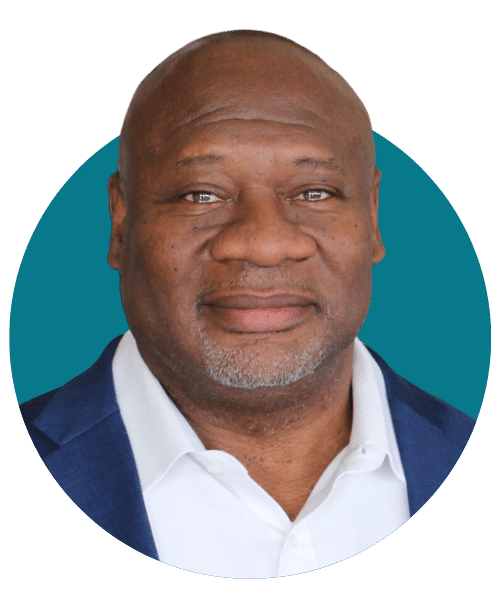
Raylon Haley,
LMSW, BBA, LCDC
Program Manager
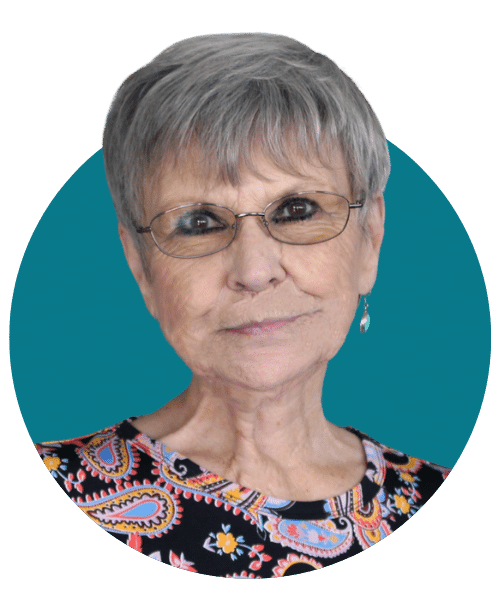
Debra Carraway,
LCDC
Counselor
Please submit the following information to be added to our mailing list:
Please submit the following information to be contacted by The Council. Meeting information will be provided after a brief conversation to assess if this group is the right fit.
This form is not monitored 24/7.
If you are in immediate danger, please call 911 or 988.
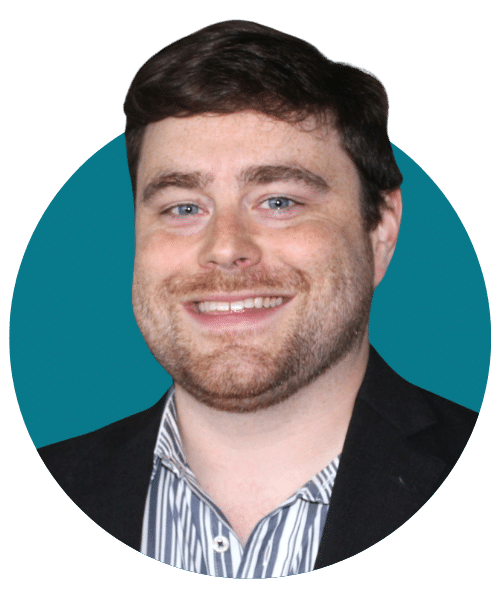
Primary Treatment Therapist
Education: Baylor University & Houston Christian University
Areas of specialization: Addiction & Recovery, Adolescent and Young Adult Therapy, Binge- and Emotion-Focused Eating Concerns, Process Addictions, Dialectical Behavior Therapy (DBT), Radically Open DBT (RO-DBT) Informed Practice, Contemporary Relational-Psychodynamic Therapy
Trevor Saint Denis, LPC, LCDC works with adolescents, young adults, and families navigating substance use, relational strain, and the emotional fallout that often follows periods of change or loss. His work bridges psychodynamic depth with DBT’s practical structure, helping clients slow down, identify what drives their behavior, and begin making choices that align with their values instead of their symptoms. Trevor approaches therapy as a place for honesty and curiosity where ambivalence is expected and growth begins in the gray areas. His clinical focus centers on the intersection between recovery, identity, and connection, meeting clients in the real-time tension between wanting change and fearing it. He has experience with adult Intesive Outpatient Programs (IOP), Partial Hospitalization Program (PHP), residential group work, private practice individual therapy, and family therapy.
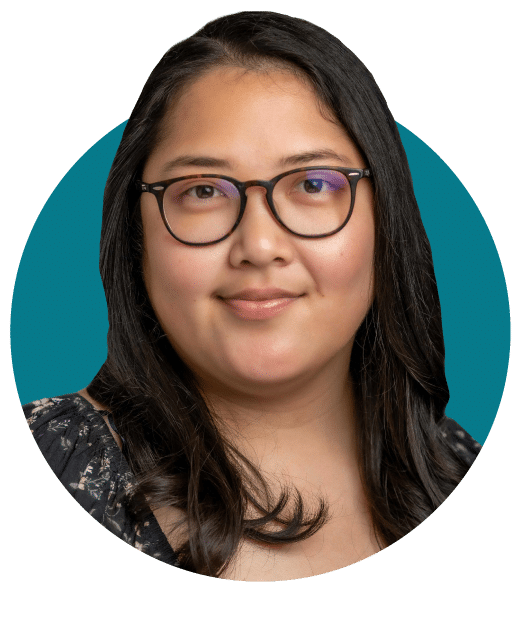
Primary Treatment Therapist
Education: University of Houston
Areas of specialization: Addiction & Recovery, Internal Family Systems, Acceptance Commitment Therapy, Dialectical Behavioral Therapy, Cognitive Behavioral Therapy
Nina Tahija, LCSW, LCDC, TCTSY-F is the Primary Treatment Therapist for the Center for Recovering Families at The Council on Recovery. Previously, she served as the Center’s Mary Bell Behavioral Health Clinical Fellow and as a Clinical Social Work Intern for Baylor Psychiatry Clinic. She holds a master’s degree in social work and is published in the Journal of Teaching in Social Work for her work on “Teaching and Learning During and After COVID-19: Lessons Learned from the Social Work Classroom.” She is also a Trauma Center Trauma Sensitive Yoga Facilitator (TCTSY-F). In her free time, Nina enjoys reading books and connecting with nature.
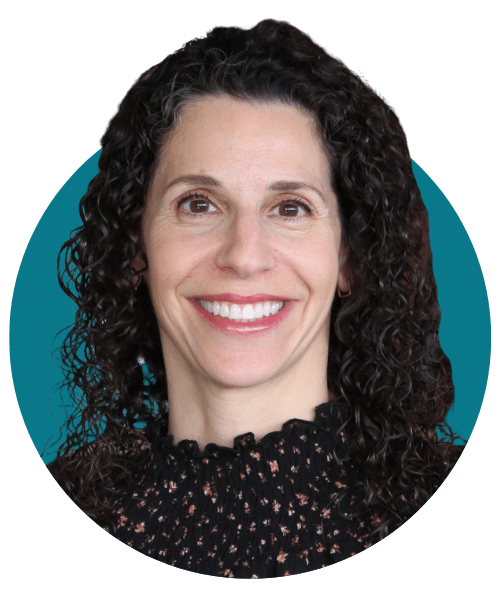
Family Therapist
Education: University of Houston, University of San Francisco, Union College
Specialties: Trauma, Grief, Anxiety and Mood Disorders, Addictions and Recovery, Life Transitions
Lauren Ziff, MA, LCSW works with individuals, couples and families in the Center for Recovering Families at The Council on Recovery. Previously, she served as fellow and staff clinician at The Lovett Center where she worked in an adult Intensive Outpatient Program (IOP) for Substance Use Disorders and Mental Health. Lauren comes from a psychodynamic approach to therapy and uses a variety of modalities including Cognitive Behavioral Therapy, Dialectical Behavioral Therapy, Internal Family Systems and Emotionally Focused Therapy. Lauren aims to create a safe therapeutic environment in which clients feel heard, respected and supported as they explore personal growth.
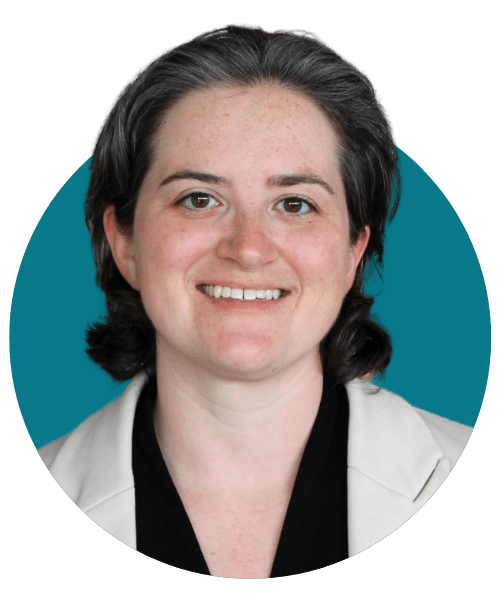
Program Therapist
Education: University of Houston-Downtown and University of Houston
Specialties: Addiction and Recovery, Mood Disorders, Young Adult Therapy, Trauma Informed Care
Carolyn Zoch is a Licensed Master Social Worker (LMSW), earning her graduate degree from The University of Houston. Prior to earning her LMSW, she spent nine years as a healthcare worker in a hospital setting. She has experience supporting adults, adolescents, and justice-involved individuals living with substance use and the impacts of trauma. She approaches therapy from a holistic perspective while considering environmental and systemic factors that shape well-being. In her free time, she enjoys spending time in nature with her dogs, reading, traveling, and being in community with loved ones.
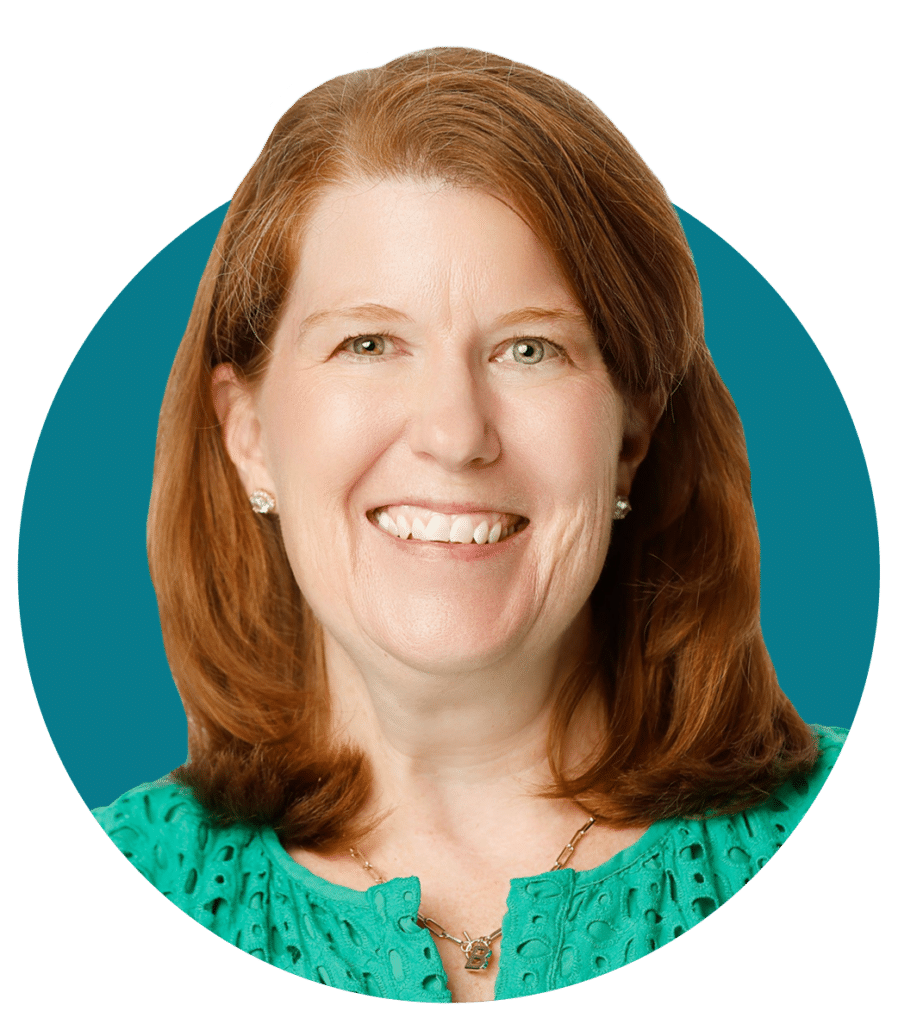
Chief Clinical Officer
Education: University of Houston & St. Edward’s University
Bridget McCauley serves as the clinical voice on the executive leadership team, guiding the development of the agency’s clinical philosophy and methods. Since joining The Council in 2023, she has leveraged her expertise in strategic planning, partnerships, collaborative leadership, and clinical development to enhance program effectiveness.
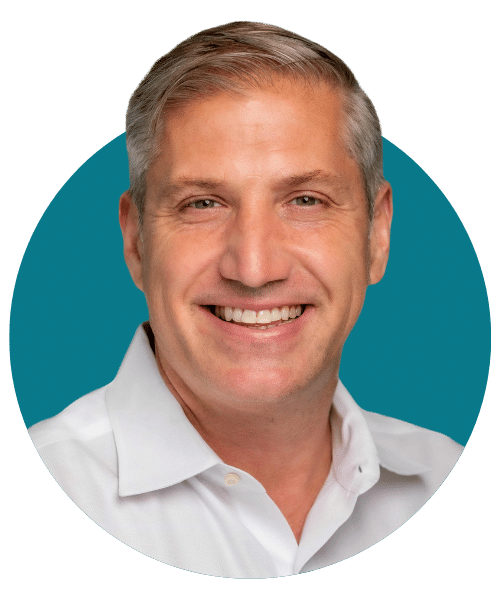
Director of Clinical and Community Engagement
Education: University of Texas at Austin & Sam Houston State University
Areas of specialization: Addictions and Recovery, Anxiety and Stress Management, Depression and Mood Disorders, Relationship and Communication Challenges, Life Transitions and Adjustments, Career and Professional Development
Thomson Ivins began his 20-year corporate career at one of the “Big 4” consulting firms, eventually serving as Vice President for a Houston-based change management company. Through volunteering, he discovered the field of mental health counseling and soon enrolled in a Master’s program. He joined The Council on Recovery in 2020 and has since served as the lead mental health counselor at two high schools in Houston. He completed his PhD in Counselor Education in December 2025. Thomson’s passion is helping all those who have aspirations of growing in their field but lack the internal resources to navigate the barriers standing in their way. His almost three decades of professional experience provide him with a diverse background, shaping his belief that an investment in people is essential to creating a thriving and rewarding life. He currently works with individuals and couples.
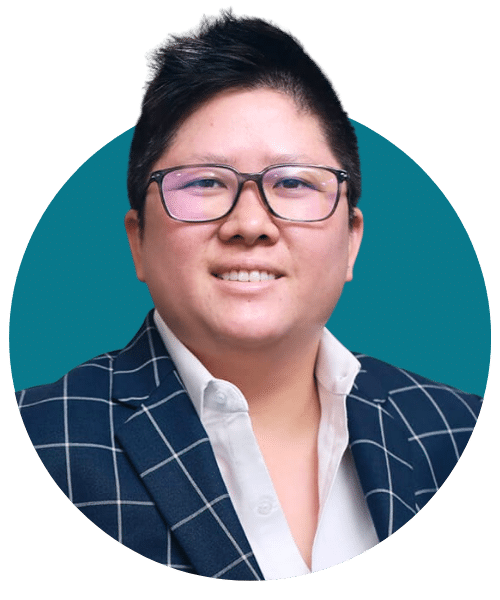
Senior Clinical Manager
Education: Austin College & University of Houston
Areas of specialization: Trauma-informed, person-centered, integrative therapeutic approaches to explore and address issues related to substance use and recovery, anxiety, depression, mood and personality disorders.
Anne “Annie” King, LCSW-S, ADS serves as the Senior Clinical Manager at The Council on Recovery. Annie is passionate about program development, community engagement, and mentorship. As a relational therapist, Annie considers it a professional privilege to get to walk alongside families who are doing the courageous work of mental health and substance use recovery.
The Council on Recovery campus will be closed for business on Monday, September 7, but open from 6:00-8:00pm for regularly scheduled recovery support meetings.